


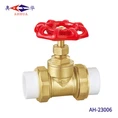
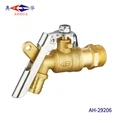

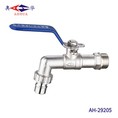
When it comes to equipping a bathroom with a functional and stylish water control solution, a bibcock with lever handle is an excellent choice. As a leading supplier of Bibcock with Lever Handle, I often receive inquiries from customers regarding the installation requirements of these fixtures. In this blog post, I will delve into the special installation requirements for a bibcock with lever handle in a bathroom, providing you with comprehensive insights to ensure a successful installation.
Understanding the Basics of a Bibcock with Lever Handle
Before discussing the installation requirements, it is essential to understand what a bibcock with lever handle is and how it functions. A bibcock, also known as a faucet or tap, is a valve used to control the flow of water. The lever handle design offers a convenient and ergonomic way to operate the bibcock, allowing users to easily turn the water on and off with a simple movement of the lever.


These bibcocks are commonly used in bathrooms for various applications, such as sinks, bathtubs, and showers. They come in a variety of styles, finishes, and sizes to suit different bathroom decor and user preferences. Some bibcocks with lever handles also feature additional functions, such as temperature control and water flow adjustment, providing enhanced comfort and convenience.
General Installation Considerations
While the specific installation requirements for a bibcock with lever handle may vary depending on the model and manufacturer, there are some general considerations that apply to most installations. Here are some key points to keep in mind:
- Shut off the Water Supply: Before starting any installation work, it is crucial to shut off the water supply to the bathroom. This can usually be done by turning off the main water valve or the individual shut-off valve for the bathroom. This step is essential to prevent water leakage and ensure a safe working environment.
- Gather the Necessary Tools: You will need a few basic tools to install a bibcock with lever handle, including a wrench, pliers, a screwdriver, and a pipe cutter. Make sure you have all the necessary tools on hand before you begin the installation process.
- Read the Manufacturer's Instructions: Each bibcock with lever handle comes with detailed installation instructions provided by the manufacturer. It is important to carefully read and follow these instructions to ensure a proper installation. The instructions will typically include information on the specific tools and materials required, as well as step-by-step installation procedures.
- Prepare the Installation Area: The installation area should be clean, dry, and free of any debris or obstructions. If you are installing the bibcock on a sink or countertop, make sure the surface is level and smooth. You may need to drill holes in the surface to accommodate the bibcock and its mounting hardware.
- Check the Water Pressure: Before installing the bibcock, it is a good idea to check the water pressure in your bathroom. High water pressure can cause damage to the bibcock and other plumbing fixtures, while low water pressure can result in poor water flow. If you have concerns about your water pressure, you may need to install a pressure regulator or consult a professional plumber.
Special Installation Requirements
In addition to the general installation considerations, there are some special requirements that may apply to the installation of a bibcock with lever handle in a bathroom. Here are some of the key factors to consider:
- Location and Placement: The location and placement of the bibcock are important factors to consider. It should be installed in a convenient and accessible location, allowing easy access for users. The height of the bibcock should also be appropriate for the type of fixture it is being installed on, such as a sink or bathtub. Additionally, make sure the bibcock is installed at a safe distance from any electrical outlets or appliances to prevent the risk of electrical shock.
- Pipe Size and Compatibility: The pipe size and compatibility are crucial for a proper installation. The bibcock should be compatible with the existing plumbing pipes in your bathroom. You will need to ensure that the pipe size of the bibcock matches the size of the pipes in your bathroom. If the pipe sizes do not match, you may need to use adapters or fittings to connect the bibcock to the pipes.
- Sealing and Leak Prevention: Proper sealing is essential to prevent water leakage. When installing the bibcock, make sure to use the appropriate sealing materials, such as plumber's tape or silicone sealant, to create a watertight seal between the bibcock and the pipes. Additionally, check for any leaks after the installation is complete and make any necessary adjustments or repairs.
- Mounting and Stability: The bibcock should be securely mounted to the surface to ensure stability and prevent it from moving or wobbling. Follow the manufacturer's instructions for mounting the bibcock, which may involve using screws, bolts, or other mounting hardware. Make sure the mounting surface is strong enough to support the weight of the bibcock and any water pressure.
- Temperature and Water Flow Control: If your bibcock with lever handle has temperature and water flow control features, you will need to ensure that these functions are properly installed and calibrated. This may involve connecting the bibcock to a hot and cold water supply and adjusting the temperature and flow settings according to your preferences.
Additional Considerations for Specific Applications
Depending on the specific application, there may be some additional considerations for the installation of a bibcock with lever handle in a bathroom. Here are some examples:
- Sink Installation: When installing a bibcock on a sink, you will need to make sure that the holes in the sink are the correct size and spacing for the bibcock. You may also need to install a pop-up drain assembly or a waste fitting to allow for proper drainage. Additionally, consider the type of sink you have, such as a undermount sink or a top-mount sink, as this may affect the installation process.
- Bathtub Installation: For a bathtub installation, the bibcock should be installed at a height that is comfortable for users to reach. You may also need to install a showerhead and a diverter valve if you want to use the bathtub for both bathing and showering. Make sure the bathtub is properly supported and level before installing the bibcock to prevent any damage or leaks.
- Shower Installation: When installing a bibcock in a shower, you will need to consider the type of shower enclosure or stall you have. The bibcock should be installed at a height that is convenient for users to operate and should be compatible with the showerhead and other shower fixtures. You may also need to install a mixing valve to control the temperature of the water.
Troubleshooting and Maintenance
Even with proper installation, you may encounter some issues with your bibcock with lever handle over time. Here are some common problems and their solutions:
- Leaking: If you notice water leaking from the bibcock, it may be due to a loose connection, a damaged seal, or a faulty valve. Check the connections and tighten any loose nuts or bolts. If the seal is damaged, you may need to replace it. If the valve is faulty, you may need to contact the manufacturer or a professional plumber for repair or replacement.
- Poor Water Flow: If the water flow from the bibcock is weak or inconsistent, it may be due to a clogged aerator, a blocked pipe, or low water pressure. Remove the aerator and clean it to remove any debris or sediment. Check the pipes for any blockages and clear them if necessary. If the water pressure is low, you may need to install a pressure regulator or consult a professional plumber.
- Dripping: A dripping bibcock can be annoying and waste water. It may be due to a worn-out valve seat or a faulty washer. You can try replacing the washer or the valve seat to fix the problem. If the problem persists, you may need to contact the manufacturer or a professional plumber for further assistance.
Regular maintenance is also important to keep your bibcock with lever handle in good working condition. Here are some tips for maintaining your bibcock:
- Clean the Bibcock Regularly: Use a mild soap and water solution to clean the bibcock and its components. Avoid using abrasive cleaners or chemicals that may damage the finish or the internal components of the bibcock.
- Check for Leaks and Drips: Periodically check the bibcock for any leaks or drips. If you notice any problems, address them promptly to prevent further damage.
- Lubricate the Moving Parts: If the lever handle or other moving parts of the bibcock become stiff or difficult to operate, you can lubricate them with a small amount of silicone lubricant. This will help to keep the parts moving smoothly and prevent them from wearing out prematurely.
- Inspect the Seals and Gaskets: Over time, the seals and gaskets in the bibcock may wear out or become damaged. Inspect them regularly and replace them if necessary to prevent water leakage.
Conclusion
Installing a bibcock with lever handle in a bathroom requires careful consideration of various factors, including location, pipe size, sealing, mounting, and temperature and water flow control. By following the general installation considerations and the special requirements outlined in this blog post, you can ensure a successful installation and enjoy the benefits of a functional and stylish water control solution in your bathroom.
If you have any further questions or need assistance with the installation of a bibcock with lever handle, please do not hesitate to contact us. As a leading supplier of Bibcock with Lever Handle and Lockable Bibcock Ball Valve, we are committed to providing our customers with high-quality products and excellent customer service. We look forward to working with you to meet your plumbing needs.
References
- Plumbing Installation Handbook, [Publisher Name], [Year]
- Manufacturer's Installation Instructions for [Bibcock Model Number]
- Online Plumbing Resources and Forums