


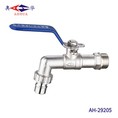


A thermostatic valve is a crucial component in many heating and cooling systems, playing a significant role in regulating temperature. However, its impact on water pressure is a topic that often goes unnoticed. As a leading thermostatic valve supplier, I've witnessed firsthand how these valves interact with water pressure in various applications. In this blog post, I'll delve into the intricate relationship between thermostatic valves and water pressure, exploring how they affect each other and what this means for your systems.
Understanding Thermostatic Valves
Before we dive into the impact on water pressure, let's first understand what a thermostatic valve is. A thermostatic valve is designed to automatically control the temperature of a fluid, typically water, by adjusting the flow rate. It achieves this through a temperature - sensitive element, often a wax or liquid - filled bulb, which expands or contracts with temperature changes.
There are different types of thermostatic valves available in the market. For instance, the Straight Thermostatic Radiator Valve is commonly used in radiator systems. It is installed in a straight line with the pipe, allowing for a straightforward installation and efficient flow control. On the other hand, the Angled Thermostatic Radiator Valve is designed to be installed at an angle, which can be useful in tight spaces or when the piping layout requires it. The Thermostatic Head is an essential part of the thermostatic valve, as it contains the temperature - sensing element and allows users to set the desired temperature.
How Thermostatic Valves Affect Water Pressure
Flow Restriction
One of the primary ways a thermostatic valve affects water pressure is through flow restriction. When the thermostatic valve senses that the temperature is too high, it will start to close the valve, reducing the flow of water. According to the principles of fluid dynamics, when the flow area is reduced, the velocity of the fluid increases, and the pressure drops. This is described by Bernoulli's principle, which states that in a fluid flow, an increase in velocity is accompanied by a decrease in pressure.
For example, in a heating system, if the thermostatic valve on a radiator closes partially due to the room reaching the set temperature, the water flow through the radiator is restricted. As a result, the pressure upstream of the valve may increase slightly, while the pressure downstream will decrease. This pressure difference can have implications for the overall performance of the system. If the pressure drop is too significant, it may lead to reduced circulation in other parts of the system, affecting the efficiency of heat distribution.
Pressure Regulation
On the other hand, thermostatic valves can also act as pressure regulators in some cases. In a well - designed system, the thermostatic valve can help maintain a relatively stable pressure by adjusting the flow rate according to the temperature requirements. For instance, in a hot water supply system, the thermostatic valve can ensure that the pressure remains within a safe and optimal range. If the pressure in the system starts to rise due to factors such as thermal expansion, the thermostatic valve can open slightly to relieve the pressure and prevent damage to the pipes and other components.
System Balance
Thermostatic valves play a vital role in system balance, which is closely related to water pressure. In a multi - radiator heating system, each radiator may have different heat requirements. By using thermostatic valves on each radiator, the flow of water to each radiator can be adjusted independently. This helps to balance the pressure across the system. If one radiator requires less heat and its thermostatic valve closes, the water that would have flowed through that radiator is redirected to other radiators, maintaining a more even pressure distribution.
Factors Influencing the Impact on Water Pressure
Valve Size
The size of the thermostatic valve is an important factor. A valve that is too small for the system will cause a significant pressure drop, as it restricts the flow more severely. Conversely, a valve that is too large may not provide accurate temperature control and may not be able to regulate the pressure effectively. When selecting a thermostatic valve, it is crucial to choose the appropriate size based on the flow rate and pressure requirements of the system.
System Design
The overall design of the heating or cooling system also affects how the thermostatic valve impacts water pressure. In a complex system with multiple branches and loops, the interaction between different thermostatic valves can be more complicated. For example, if the pipes are not properly sized or if there are significant differences in the length and diameter of the pipes, it can lead to uneven pressure distribution. A well - designed system with proper pipe sizing and layout can minimize these issues and ensure that the thermostatic valves work in harmony to maintain optimal water pressure.
Temperature Settings
The temperature settings on the thermostatic valve can have a direct impact on water pressure. If the set temperature is too low, the valve will close more frequently, leading to more significant flow restrictions and pressure changes. On the other hand, if the set temperature is too high, the valve will remain open most of the time, and the pressure may be more stable but may not provide the desired temperature control.
Implications for System Performance
Efficiency
The impact of thermostatic valves on water pressure can significantly affect the efficiency of the system. If the pressure drop is too large, it may require more energy to pump the water through the system. This can lead to increased energy consumption and higher operating costs. Additionally, if the pressure is not properly balanced, some parts of the system may not receive enough water flow, resulting in uneven heating or cooling.
Comfort
Proper water pressure regulation by thermostatic valves is essential for user comfort. In a heating system, if the pressure is too low, the radiators may not heat up properly, leading to a cold room. On the other hand, if the pressure is too high, it can cause noise in the pipes and may even lead to leaks or damage to the system.
Importance of Choosing the Right Thermostatic Valve
As a thermostatic valve supplier, I understand the importance of choosing the right valve for your system. A high - quality thermostatic valve can provide accurate temperature control and effective pressure regulation. It should be made of durable materials to withstand the high pressures and temperatures in the system. Additionally, it should be easy to install and maintain.
When selecting a thermostatic valve, consider the specific requirements of your system, such as the flow rate, pressure range, and temperature control needs. Our company offers a wide range of thermostatic valves, including Straight Thermostatic Radiator Valve, Angled Thermostatic Radiator Valve, and Thermostatic Head. Our valves are designed to meet the highest standards of quality and performance.
Conclusion
In conclusion, thermostatic valves have a significant impact on water pressure in heating and cooling systems. They can affect water pressure through flow restriction, pressure regulation, and system balance. The size of the valve, system design, and temperature settings are important factors that influence this impact. Understanding how thermostatic valves interact with water pressure is crucial for ensuring the efficient and reliable operation of the system.


If you are in the process of designing or upgrading a heating or cooling system and need high - quality thermostatic valves, we are here to help. Our team of experts can provide you with professional advice and guidance on choosing the right valves for your specific needs. Contact us today to start a discussion about your procurement requirements and let us work together to optimize your system's performance.
References
- Incropera, F. P., & DeWitt, D. P. (2002). Introduction to Heat Transfer. Wiley.
- Cengel, Y. A., & Cimbala, J. M. (2006). Fluid Mechanics: Fundamentals and Applications. McGraw - Hill.
- ASHRAE Handbook: HVAC Systems and Equipment. American Society of Heating, Refrigerating and Air - Conditioning Engineers.