



Hey there! As a supplier of Filter Ball Valves, I've been getting a lot of questions lately about how to reduce the noise generated by these valves during operation. It's a common issue that can be a real headache, especially in residential and commercial settings where noise can be a major nuisance. In this blog post, I'll share some tips and tricks on how to minimize the noise and keep your plumbing system running smoothly.
First things first, let's understand why filter ball valves make noise in the first place. The main culprit is usually the flow of fluid through the valve. When the fluid passes through the valve, it creates turbulence and pressure fluctuations, which can cause the valve to vibrate and produce noise. Other factors that can contribute to noise include loose or worn parts, improper installation, and high fluid velocities.
Now that we know what causes the noise, let's look at some ways to reduce it.

1. Choose the Right Valve
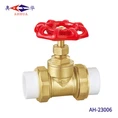
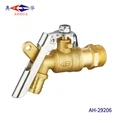
The type and quality of the valve you choose can have a big impact on the noise level. When selecting a filter ball valve, look for one that is designed to minimize noise. Some valves are specifically engineered with features like noise-reducing inserts or smooth internal surfaces to reduce turbulence and vibration. For example, our Brass Filter Ball Valve is designed with a precision-machined ball and seat to ensure a tight seal and smooth flow, which helps to reduce noise.
2. Proper Installation
Proper installation is crucial for reducing noise. Make sure the valve is installed correctly and securely, following the manufacturer's instructions. Improper installation can cause the valve to vibrate or leak, which can increase noise. Here are some installation tips to keep in mind:
- Use the right tools and materials for the job.
- Make sure the pipes are clean and free of debris before installing the valve.
- Tighten the valve connections securely, but don't over-tighten them.
- Support the valve and pipes properly to prevent vibration.
3. Check for Loose or Worn Parts
Over time, the parts of a filter ball valve can wear out or become loose, which can cause noise. Regularly inspect the valve for any signs of wear or damage, such as loose nuts, bolts, or gaskets. If you find any loose or worn parts, replace them immediately. This will not only reduce noise but also help to extend the lifespan of the valve.
4. Control Fluid Velocity
High fluid velocities can increase turbulence and vibration, which can lead to noise. To reduce fluid velocity, you can install a flow control valve or a pressure regulator upstream of the filter ball valve. These devices can help to regulate the flow of fluid and reduce the pressure, which in turn reduces noise.
5. Use Noise Dampening Materials
Another way to reduce noise is to use noise dampening materials around the valve. You can wrap the valve and pipes with acoustic insulation or use rubber gaskets and mounts to absorb vibration. This can help to reduce the amount of noise that is transmitted through the pipes and into the surrounding environment.
6. Regular Maintenance
Regular maintenance is essential for keeping your filter ball valve in good working condition and reducing noise. Make sure to clean the valve regularly to remove any dirt, debris, or sediment that may have accumulated inside. You can also lubricate the moving parts of the valve to ensure smooth operation. Additionally, schedule regular inspections and maintenance checks to catch any potential problems early on.
7. Consider Upgrading
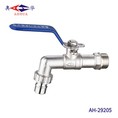
If you've tried all of the above methods and are still experiencing excessive noise, it may be time to consider upgrading to a higher-quality filter ball valve. Our Brass Ball Valve with Filter and Brass Filter Ball Valve are both designed with advanced noise-reducing features and are built to last. Upgrading to a better valve can not only reduce noise but also improve the performance and efficiency of your plumbing system.
In conclusion, reducing the noise generated by filter ball valves during operation is not rocket science. By choosing the right valve, installing it properly, checking for loose or worn parts, controlling fluid velocity, using noise dampening materials, performing regular maintenance, and considering an upgrade if necessary, you can significantly reduce noise and keep your plumbing system running smoothly.
If you have any questions or need further assistance with reducing noise in your filter ball valves, please don't hesitate to contact us. We're here to help you find the best solutions for your plumbing needs. Whether you're a homeowner, a contractor, or a business owner, we have the expertise and products to meet your requirements. So, if you're in the market for high-quality filter ball valves or need advice on noise reduction, get in touch with us today to start a procurement discussion.
References
- Plumbing Engineering: Design and Installation Handbook
- Valve Technology and Applications Manual