


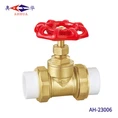
Replacing a ball valve stem is a task that might seem daunting at first, but with the right knowledge and tools, it can be accomplished smoothly. As a trusted Ball Valves supplier, we're here to guide you through the process, ensuring that you can handle this maintenance job effectively.
Understanding the Ball Valve Stem
Before diving into the replacement process, it's essential to understand what a ball valve stem is and its role in the valve's operation. The stem is a crucial component that connects the valve handle to the ball inside the valve body. When you turn the handle, the stem transfers that motion to the ball, allowing you to open or close the valve and control the flow of fluid.
There are different types of ball valves, each with its own stem design. For instance, Internal and External Ball Valve may have unique stem configurations depending on their internal and external operating mechanisms. Similarly, Brass Ball Valve Inner and Ball Valve with Butterfly Handle can also have distinct stem features based on their materials and handle designs.
Tools and Materials Needed
To replace a ball valve stem, you'll need the following tools and materials:
- Adjustable Wrench: This will be used to loosen and tighten nuts and bolts.
- Screwdriver: Depending on the type of fasteners used in your valve, you may need a flathead or Phillips screwdriver.
- Replacement Stem: Make sure to choose a stem that is compatible with your ball valve. You can find the right one by referring to the valve's model number or consulting with us as your Ball Valves supplier.
- Sealant: A good-quality sealant will help prevent leaks around the stem.
- Safety Gear: Wear safety glasses and gloves to protect yourself from any potential hazards.
Step-by-Step Guide to Replacing a Ball Valve Stem
Step 1: Shut Off the Supply
The first and most crucial step is to shut off the supply of fluid to the valve. This could be water, gas, or any other substance flowing through the valve. Locate the main shut-off valve and turn it off to prevent any leaks or spills during the replacement process.
Step 2: Drain the System
Once the supply is shut off, open the valve to drain any remaining fluid in the system. This will reduce the pressure and make it easier to work on the valve. Place a bucket or container underneath the valve to catch any draining fluid.
Step 3: Remove the Valve Handle
Use a screwdriver to remove the screws or bolts holding the valve handle in place. Carefully lift the handle off the valve stem. Some handles may require a bit of force to remove, but be gentle to avoid damaging the valve.


Step 4: Loosen the Packing Nut
Locate the packing nut on the valve body. This nut is usually located just above the valve stem. Use an adjustable wrench to loosen the packing nut counterclockwise. Be careful not to over-tighten or strip the nut.
Step 5: Remove the Old Stem
Once the packing nut is loose, you should be able to pull the old stem out of the valve body. If the stem is stuck, you can try gently tapping it with a hammer to loosen it. However, be cautious not to damage the valve body or other components.
Step 6: Clean the Valve Body
Before installing the new stem, take a moment to clean the valve body. Use a clean cloth or brush to remove any dirt, debris, or old sealant from the stem hole and the surrounding area. This will ensure a proper seal and smooth operation of the new stem.
Step 7: Apply Sealant
Apply a thin layer of sealant to the new stem. Make sure to cover the entire length of the stem, especially the area that will be in contact with the valve body. This will help prevent leaks and ensure a tight seal.
Step 8: Install the New Stem
Carefully insert the new stem into the valve body. Make sure it is aligned properly and sits flush with the valve. If the stem is not aligned correctly, it may cause the valve to malfunction or leak.
Step 9: Tighten the Packing Nut
Once the new stem is in place, use an adjustable wrench to tighten the packing nut clockwise. Be careful not to over-tighten the nut, as this can damage the stem or cause it to bind. Tighten the nut just enough to create a seal without restricting the movement of the stem.
Step 10: Reattach the Valve Handle
Place the valve handle back on the new stem and secure it with the screws or bolts you removed earlier. Make sure the handle is properly aligned and tightened to ensure smooth operation of the valve.
Step 11: Turn On the Supply
Once the valve handle is reattached, turn on the main shut-off valve to restore the supply of fluid to the system. Check for any leaks around the valve stem or other connections. If you notice any leaks, tighten the packing nut slightly or apply more sealant as needed.
Tips and Tricks
- Inspect the Valve Regularly: Regular inspections can help you detect any issues with the valve stem or other components early on. Look for signs of wear, corrosion, or leaks, and address them promptly to prevent further damage.
- Use the Right Tools: Using the correct tools for the job will make the replacement process easier and more efficient. Make sure you have the right size and type of wrench, screwdriver, and other tools before you start.
- Follow the Manufacturer's Instructions: Always refer to the manufacturer's instructions when replacing a ball valve stem. Different valves may have specific requirements or procedures, so it's important to follow them carefully.
- Seek Professional Help if Needed: If you're unsure about any part of the replacement process or if you encounter any difficulties, don't hesitate to seek professional help. Our team of experts at [Your Company Name] is always available to assist you with any questions or concerns you may have.
Conclusion
Replacing a ball valve stem is a manageable task that can be completed with the right tools and knowledge. By following the steps outlined in this guide, you can ensure a successful replacement and keep your ball valve operating smoothly. As a leading Ball Valves supplier, we're committed to providing high-quality products and expert advice to help you with all your valve needs.
If you're in the market for ball valves or need assistance with valve replacement or maintenance, we invite you to contact us for a consultation. Our team of professionals will be happy to help you find the right products and solutions for your specific requirements. Let's work together to ensure the reliability and efficiency of your plumbing or industrial systems.
References
- "Ball Valve Handbook" by Valve Manufacturers Association
- "Plumbing Maintenance and Repair Guide" by Home Depot