


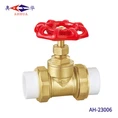
A compression manifold is a critical component in various fluid handling systems, especially in HVAC, plumbing, and industrial applications. It serves as a central hub where multiple fluid lines converge, allowing for the efficient distribution and control of fluids. However, with the high pressures often involved in these systems, it is essential to have effective pressure relief mechanisms in place to ensure the safety and proper functioning of the manifold and the entire system. As a leading compression manifold supplier, we understand the importance of these mechanisms and are committed to providing high-quality products with reliable pressure relief features.
Types of Pressure Relief Mechanisms
Pressure Relief Valves
One of the most common pressure relief mechanisms in a compression manifold is the pressure relief valve (PRV). A PRV is a safety device that automatically opens to release excess pressure when it reaches a predetermined set point. This helps prevent over - pressurization of the manifold and the connected components, which could lead to leaks, bursts, or other dangerous situations.
There are different types of PRVs, including spring - loaded, pilot - operated, and deadweight valves. Spring - loaded PRVs are the most widely used in compression manifolds due to their simplicity, reliability, and relatively low cost. They consist of a valve disc held against a valve seat by a spring. When the pressure in the manifold exceeds the spring force, the valve disc lifts, allowing the fluid to escape until the pressure drops below the set point, at which point the valve closes again.
Pilot - operated PRVs are more suitable for high - pressure and large - flow applications. They use a small pilot valve to control the opening and closing of the main valve. When the pressure in the manifold rises above the set point, the pilot valve opens, which in turn causes the main valve to open and relieve the pressure.
Deadweight PRVs rely on a weight placed on a piston or valve disc to keep the valve closed. When the pressure in the manifold exceeds the force exerted by the weight, the valve opens. These valves are very accurate but are typically used in applications where the pressure is relatively stable and the flow rate is not too high.
Bursting Discs
Bursting discs, also known as rupture discs, are another type of pressure relief device used in compression manifolds. They are thin, circular membranes made of metal or other materials that are designed to rupture at a specific pressure. When the pressure in the manifold reaches the bursting pressure of the disc, it fails catastrophically, releasing the excess pressure in a rapid and controlled manner.
Bursting discs offer several advantages. They have a very fast response time, which is crucial in situations where a sudden increase in pressure needs to be relieved immediately. They also provide a tight seal under normal operating conditions, preventing any leakage. However, once a bursting disc has ruptured, it needs to be replaced, which can be a disadvantage in some applications.
Pressure - Sensitive Switches
Pressure - sensitive switches are used to monitor the pressure in the compression manifold and trigger an alarm or shut down the system when the pressure exceeds a certain limit. They consist of a pressure - sensing element, such as a diaphragm or a piston, that is connected to an electrical switch. When the pressure in the manifold changes, the sensing element moves, which activates the switch.
Pressure - sensitive switches can be used in conjunction with other pressure relief mechanisms, such as PRVs or bursting discs, to provide an additional layer of safety. For example, if the pressure relief valve fails to open or is unable to relieve the pressure quickly enough, the pressure - sensitive switch can trigger an alarm or shut down the system to prevent further damage.
Factors Affecting the Selection of Pressure Relief Mechanisms
Operating Pressure and Temperature
The operating pressure and temperature of the compression manifold are two of the most important factors to consider when selecting a pressure relief mechanism. Different types of pressure relief devices have different pressure and temperature ratings, and it is essential to choose a device that can withstand the operating conditions of the manifold.
For example, in high - pressure applications, a pilot - operated PRV or a bursting disc may be more suitable than a spring - loaded PRV. In high - temperature applications, the materials used in the pressure relief device need to be able to withstand the heat without losing their mechanical properties.
Flow Rate
The flow rate of the fluid in the compression manifold also affects the selection of the pressure relief mechanism. A pressure relief device needs to be able to handle the maximum flow rate that may occur during a pressure relief event. If the flow rate is too high for the selected device, it may not be able to relieve the pressure effectively, which could lead to over - pressurization of the manifold.
System Requirements
The specific requirements of the system in which the compression manifold is installed also play a role in the selection of the pressure relief mechanism. For example, in some systems, a fail - safe design may be required, which means that the pressure relief device should be able to operate even in the event of a power failure or other system malfunctions. In other systems, the ability to monitor and record the pressure relief events may be important.
Our Compression Manifolds with Pressure Relief Mechanisms
As a compression manifold supplier, we offer a wide range of products with different pressure relief mechanisms to meet the diverse needs of our customers. Our manifolds are designed and manufactured to the highest quality standards, ensuring reliable performance and long - term durability.
We have compression manifolds equipped with spring - loaded PRVs that are suitable for most general - purpose applications. These PRVs are easy to install and maintain, and they provide a cost - effective solution for pressure relief. For high - pressure and large - flow applications, we offer manifolds with pilot - operated PRVs or bursting discs. Our pressure - sensitive switches are also available as an optional accessory to provide additional safety and monitoring capabilities.
In addition to our standard products, we also offer custom - designed compression manifolds. Our experienced engineering team can work with you to understand your specific requirements and design a manifold with the most appropriate pressure relief mechanism for your application.
Conclusion
Pressure relief mechanisms are an essential part of any compression manifold. They help protect the manifold and the entire fluid handling system from the dangers of over - pressurization, ensuring the safety and reliability of the system. As a compression manifold supplier, we are dedicated to providing our customers with high - quality products with effective pressure relief features.
If you are in need of a compression manifold or have any questions about pressure relief mechanisms, please feel free to [contact us for procurement and further discussions]. We are always ready to assist you in finding the best solution for your application.


References
- ASME Boiler and Pressure Vessel Code, Section VIII - Pressure Vessels
- API Standard 520 - Sizing, Selection, and Installation of Pressure - Relieving Devices in Refineries
- ISO 4126 - Safety devices for protection against excessive pressure