


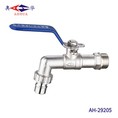


Hey there! I'm a supplier of PPR Brass Gate Valves, and today I'll be chatting about what the requirements are for a PPR Brass Gate Valve in a heating system.
Thermal Resistance
First off, one of the key requirements for a PPR Brass Gate Valve in a heating system is thermal resistance. Heating systems typically operate at elevated temperatures, and the valve has to handle it. PPR (polypropylene random copolymer) and brass are both materials that have decent heat - resistance capabilities, but in a heating environment, we need to be extra careful.
The PPR part of the valve should be able to withstand the continuous high - temperature exposure without losing its structural integrity. If the PPR softens too much under heat, it can lead to leaks or even valve failure. As for the brass component, it should resist corrosion that can be accelerated by the heat and the water chemistry in the heating system.
For instance, in a hot water heating system that runs at around 80 - 90 degrees Celsius all day long, a PPR Brass Gate Valve needs to be able to keep its shape and seal properly. If the valve's PPR body becomes too malleable, the gate inside might not close tightly, leading to heat loss as hot water leaks past the valve.
Pressure Tolerance
Pressure is another big deal in heating systems. The water or steam in these systems is usually under pressure, and the PPR Brass Gate Valve needs to be up to the task. Different heating systems have different pressure requirements, depending on factors like the height of the building, the type of boiler, and the circulation method.
In a typical residential heating system, the pressure might range from 1 - 3 bar. But in larger commercial or industrial heating setups, the pressure can be much higher. Our PPR Brass Gate Valves are designed to handle a wide range of pressure levels. The brass part in particular provides the necessary strength to hold up against high - pressure water flow.
If a valve can't handle the pressure, it can result in catastrophic failures. A burst valve can flood a building and cause damage to the heating components and other parts of the structure. So, it's crucial that the valve is rated for the correct pressure of the specific heating system it will be installed in.
Sealing Performance
A good seal is essential for a PPR Brass Gate Valve in a heating system. Any leakage can not only waste energy but also cause water damage. The valve should be able to effectively shut off the flow of water or steam when required.
The gate of the valve plays a crucial role in sealing. When the valve is closed, the gate needs to fit snugly against the valve seat to prevent any fluid from passing through. The PPR and brass materials need to work together to ensure this tight seal.


Many of our PPR Brass Gate Valves are designed with precision - engineered gates and seats. This helps to achieve a reliable seal, even after multiple open - and - close cycles. Over time, a poor - sealing valve can lead to a slow but continuous loss of heated water, which means higher energy bills and reduced heating efficiency.
Chemical Compatibility
Heating systems often have chemicals added to the water to prevent corrosion, scale buildup, and microbial growth. The PPR Brass Gate Valve needs to be chemically compatible with these additives.
Some common additives used in heating systems include corrosion inhibitors, anti - scale agents, and biocides. If the valve materials react with these chemicals, it can lead to degradation of the valve. For example, certain chemicals might cause the brass to pit or the PPR to become brittle.
We make sure that our PPR Brass Gate Valves are tested for chemical compatibility. This way, our customers can add the necessary chemicals to their heating systems without worrying about damaging the valves.
Durability
Let's face it; no one wants to replace a valve in their heating system every few months. Durability is a must - have requirement for a PPR Brass Gate Valve. The combination of PPR and brass is chosen for its long - lasting properties.
PPR is known for its resistance to abrasion and impact, which is important as the valve might experience some rough handling during installation or maintenance. Brass, on the other hand, is strong and highly resistant to wear and tear.
Our valves are built to last. Whether it's in a small home heating system or a large - scale commercial setup, we expect them to serve reliably for many years. Regular maintenance can, of course, extend the lifespan of the valve further.
Ease of Installation and Maintenance
Installing a PPR Brass Gate Valve in a heating system should be a straightforward process. The valve should be designed in a way that makes it easy for plumbers or heating technicians to fit it into the system.
Most of our PPR Brass Gate Valves come with standard fittings, which can be connected to the existing pipes in the heating system without much hassle. Additionally, valves that are easy to install are less likely to have installation errors, which can otherwise lead to problems down the line.
Maintenance is also an important aspect. If a valve needs frequent and complicated maintenance, it can be a headache for the system owners. Our valves are designed with easy - to - access parts, so that any necessary repairs or replacements can be done quickly and efficiently.
Flow Control
In a heating system, accurate flow control is often required. The PPR Brass Gate Valve should be able to control the flow of water or steam precisely. Whether it's adjusting the heat output in different rooms or balancing the flow in a large - scale system, the valve needs to respond effectively to the required settings.
The opening and closing mechanism of the valve should be smooth and predictable. This allows the users to fine - tune the flow according to their needs. Our PPR Brass Gate Valves are designed to offer excellent flow control, giving you full command over your heating system's operation.
Special Features: Lockable Valves for Added Security
Sometimes, in a heating system, you might want to have additional security. That's where a Brass Gate Valve with Lock comes in handy. This type of valve allows you to lock it in a certain position, preventing unauthorized changes to the flow settings.
In a commercial building or a public facility, this can be extremely useful. You can ensure that the heating system is operating at the set parameters and avoid any accidental or deliberate tampering.
Compatibility with Other System Components
A PPR Brass Gate Valve should be compatible with other components in the heating system. This includes pipes, boilers, heat exchangers, and thermostats.
For example, the valve should be able to connect seamlessly to the pipes in terms of size and material compatibility. If there are any mismatches, it can lead to leaks or inefficient flow. Our valves are designed to work well with a wide range of heating system components, ensuring a smooth and optimized operation of the entire system.
Water Meter Requirements
In some heating systems, there might be a Water Meter Gate Valve involved. This type of valve is often used in combination with a water meter to control the flow of water into the heating system and measure the consumption accurately.
The requirements for such a valve are similar to other PPR Brass Gate Valves, but with the added need for accurate flow measurement. The valve should not interfere with the water meter's operation and should be able to maintain a stable flow rate during measurement.
Conclusion
So, there you have it - the key requirements for a PPR Brass Gate Valve in a heating system. From thermal resistance and pressure tolerance to durability and ease of maintenance, these valves need to meet a variety of standards to function effectively.
If you're in the market for high - quality PPR Brass Gate Valves for your heating system, look no further. We're a reliable supplier with a wide range of valves that meet all the requirements we've discussed today. Whether you're working on a small residential project or a large commercial installation, we've got the right valve for you. Don't hesitate to get in touch for more information and to start a procurement discussion. Let's work together to ensure your heating system runs smoothly and efficiently.
References
- "Heating System Design and Installation Handbook"
- Industry standards for PPR and Brass materials in plumbing and heating applications.