


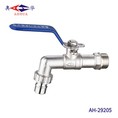


Hey there! As a supplier of Flanged Check Valve, I often get asked about the leakage rate of these valves. So, I thought I'd put together this blog post to give you a clear idea of what the leakage rate is all about.
First off, let's understand what a flanged check valve is. It's a type of valve that allows fluid to flow in only one direction. It's commonly used in plumbing systems, industrial applications, and even in some household setups. The check valve is designed to prevent backflow, which is super important in keeping the system running smoothly.
Now, the leakage rate of a flanged check valve is the amount of fluid that can pass through the valve when it's supposed to be closed. In an ideal scenario, the leakage rate should be zero. But in the real world, it's almost impossible to achieve a completely leak - free valve. There are a bunch of factors that can affect the leakage rate, such as the valve's design, the quality of materials used, and how well it's installed.


Design of the Flanged Check Valve
The design of the valve plays a huge role in determining the leakage rate. Different types of flanged check valves, like swing check valves, lift check valves, or One Way Non Return Check Valves, have different leakage characteristics.
Swing check valves have a disc that swings open to allow fluid flow and then closes when the flow reverses. The way the disc seals against the seat can affect the leakage. If the disc doesn't fully seal or if there are any irregularities in the seat, fluid can leak through. Some advanced swing check valve designs use flexible discs or improved sealing materials to reduce the leakage rate.
Lift check valves work by the fluid pressure lifting a disc off its seat to allow flow. When the pressure drops or reverses, the disc falls back to the seat to prevent backflow. The fit between the disc and the seat is crucial. A poor fit can lead to significant leakage. Manufacturers are constantly working on improving the design of the disc and seat to minimize this issue.
Quality of Materials
The materials used in making the flanged check valve also have a big impact on the leakage rate. The valve body, disc, and seat are usually made of different metals or alloys. For example, stainless steel is a popular choice because it's corrosion - resistant. If the materials are of low quality, they may corrode or wear out over time.
Corrosion can cause pitting on the surface of the valve components, especially the seat. This pitting can prevent a proper seal between the disc and the seat, leading to increased leakage. High - quality materials are more likely to maintain their shape and surface finish, which helps in keeping the leakage rate low.
Installation
Proper installation is key to ensuring a low leakage rate. If the valve is not installed correctly, it can cause misalignment between the disc and the seat. For instance, if the valve is not tightened evenly during installation, it can distort the valve body, affecting the sealing.
The piping system around the valve also matters. If there are vibrations in the pipes, it can cause the disc to move slightly and disrupt the seal. Installing proper supports and dampeners can help reduce these vibrations and keep the leakage rate in check.
Measuring the Leakage Rate
There are standard methods for measuring the leakage rate of flanged check valves. The most common one is the hydrostatic test. In this test, the valve is filled with water and then pressurized. The amount of water that leaks out over a certain period of time is measured.
The leakage rate is usually expressed in units like cubic centimeters per minute (cc/min) or gallons per minute (gpm). Different industries have different acceptable leakage rates. For example, in a high - precision chemical processing plant, the acceptable leakage rate might be extremely low, almost close to zero. In a less critical plumbing system, a slightly higher leakage rate might be tolerated.
Our Commitment as a Supplier
As a supplier of flanged check valves, we are committed to providing valves with low leakage rates. We use high - quality materials in our manufacturing process. Our valves go through rigorous quality control checks to ensure that they meet or exceed industry standards.
We also offer technical support to our customers during the installation process. We know that proper installation is just as important as the valve's design and material quality. Our team of experts can help you with any questions you might have about installing the valve to minimize the leakage rate.
Why Choose Our Flanged Check Valves
Our flanged check valves are designed with the latest technology. We constantly research and develop new designs to improve the sealing performance and reduce the leakage rate. Our valves are also highly durable, which means they can withstand harsh operating conditions without a significant increase in leakage.
We understand that every customer's needs are different. Whether you're in the plumbing industry, the oil and gas sector, or any other field that requires check valves, we can provide you with a customized solution. We have a wide range of valve sizes and configurations to choose from, so you can find the perfect valve for your specific application.
Contact Us for Procurement
If you're in the market for high - quality flanged check valves with low leakage rates, we'd love to hear from you. Whether you have a small - scale project or a large industrial application, we can offer you the right valves at competitive prices. Contact us today to start a conversation about your procurement needs. We're here to help you find the best solution for your system.
References
- Valve Handbook: A Guide to Valve Technology and Applications
- Standards for Check Valve Testing and Performance by Industry Associations