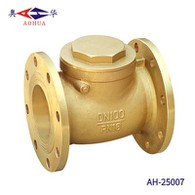
Wholesale Straight Manual Radiator Valve Supplier
Zhejiang AODEHUA Technology Co., Ltd. is located in the beautiful and rich East China Sea - Yuhuan City. Founded in 2002, Aodehua Group specialized in the production of brass water plumbing valves for more than 20 years. Set development, forging, manufacturing, testing, and sales as one, superb technology, and stable and reliable quality make "AOHUA" products win the favor of consumers.
Various Types
Our products cover the entire heating and plumbing system, such as ball valves, gas valves, gate valves, manifolds, TRV, air vent valves, water radiators, magnetic filters, etc.
Quality Assurance
The entire production process is controlled by the ISO9001 product quality management system. The pass rate of the products is 100%.
Fast Delivery
Our company's monthly production capacity reaches 1 million sets, and we can achieve fast and on-time delivery.
24H Online Service
Our customer service representatives are available 24/7 to assist you with any inquiries, technical issues, or after-sales services.

Straight radiator valves are used to connect radiators to hot water pipes on a central heating system. Inline radiator valves have connection points that run parallel or "linear" to each other and should be used when a radiator's entry point is parallel with the pipework. In a manual radiator valve system, the radiator control is down to the thermostat, located elsewhere and of the radiator body.

|
NO. |
Part Name |
Material |
|
1 |
Body |
Brass |
|
2 |
O-ring |
EPDM |
|
3 |
Spool |
Brass |
|
4 |
O-ring |
EPDM |
|
5 |
Stem |
Brass |
|
6 |
Connect pipe |
Brass |
|
7 |
Hexagon nut |
Brass |
|
8 |
Pressing cap |
Brass |
|
9 |
Circlip |
T2 |
|
10 |
Handwheer |
ABS |
|
11 |
Cross screw |
Q235 |
Feature of Manual Radiator Valve
Manual Control
Radiator valves typically have manual controls that allow users to adjust the flow of hot water or steam to the radiator. This control can be in the form of a simple knob or lever.
Thermostatic Control
Thermostatic radiator valves (TRVs) include a temperature-sensing element that automatically adjusts the flow of water based on the ambient temperature of the room. This feature helps maintain a consistent temperature and can contribute to energy efficiency.
Temperature Setting
Many radiator valves, especially thermostatic ones, have a temperature setting or dial that allows users to set the desired temperature for a specific room. This helps in achieving individualized comfort.
Frost Protection
The radiator valves come with a frost protection feature. If the temperature in the room drops to a level that could cause freezing, the valve may automatically open slightly to allow a small flow of warm water through the radiator, preventing freezing.
Lockable Controls
To prevent unauthorized adjustments or tampering, some radiator valves have lockable controls. This feature is particularly useful in public spaces or in households with children.
Integrated Bypass Function
In hydronic heating systems, radiator valves may include an integrated bypass function. This allows a controlled amount of water to bypass the radiator, promoting proper system balance and preventing issues like overheating.
Compatible with Smart Thermostats
Some modern radiator valves are compatible with smart home systems and can be integrated with smart thermostats. This allows for centralized control and monitoring of the heating system.
Variety of Designs and Sizes
Radiator valves come in various designs and sizes to match different radiator styles and installation requirements. Common types include straight, angled, and corner valves.
Radiator valves are what you see at the bottom of a radiator - they will have a twisting mechanism on top. They allow you to control how much heat you want your radiator to give out, just like a tap to control the flow of water.
Each radiator will have two valves. One will control the amount of hot water that enters the radiator and the other will balance the system by controlling how much heat comes out of your radiator. This is known as the "lockshield valve".

Types of Radiator Valves

Manual Radiator Valves
The most common type of radiator valve is a manual radiator valve. The clue to how manual valves work is in the name - you have to turn them to control the temperature.
They work just like a tap, by altering the flow of hot water from the boiler into the radiator. The higher the level on the valve, the higher the volume of hot water entering the radiator to produce greater heat. Once a room has reached the temperature you want, you will need to turn the valve down yourself to a cooler setting.
Thermostatic Radiator Valves
Thermostatic radiator valves (TRVs) give you much more control over the temperature in your home because they have more advanced features. Like a manual valve, you can set the valve to what temperature you'd like a room to be.
The thermostatic valve 'senses' the temperature in your room and once the temperature you want is reached, it will automatically stop the flow of hot water to your radiator and prevent it from getting any warmer, wasting heat and energy.

How to Fit a Straight Manual Radiator Valve
Before you change the radiator valve, you'll need to switch off the heating system and water supply. This means that water can no longer enter the. Without doing this, the boiler could overheat.
Once complete, you'll need to drain your central heating system. Locate the drain-off valve. Connect a hose to the drain-off valve and position the other end of the hose to allow water to run into an outside drain.
You'll then need to wait for the water to drain completely from your radiator. This can take up to 10 minutes.
To do this, undo the top nut on the existing valve and then spin the bottom nut. This will allow you to remove the valve entirely. Water can sometimes run out at this point, so have a towel ready.
Fitting the new radiator valve will vary depending on the fitting and type you're installing. Because of this, it's best practice to follow the manufacturer's guidelines on how to fit the radiator valve.
Once you've installed your new radiator valve and tightened everything up, it's time to turn the water mains back on. This will refill the system, so keep an eye out for leaks at the new joints. Once refilled, open the new valve to allow water to flow into the radiator.
Once you're happy there are no leaks, open the bleed valve to let out any trapped air. Trapped air can prevent the radiator from filling with water, so this is an important step to get the most out of your heating system.
Get your boiler back up and running again. Once your heating system has had time to warm up, look at the radiator one last time to ensure there are no leaks and that the radiator is working as it should.


FAQ
Q: What is a manual radiator valve?
The manual radiator valve is possibly the most simple to operate as well as being the most common type. Depending on how warm or cool you require your room to be, you can easily turn them up and down.
Q: How do manual radiator valves work?
Q: What are the benefits of manual radiator valves?
For example, the temperatures of the kitchen and bathroom may need to be different from those of the living room and bedroom because you need to consider warmth and humidity from cooking and washing. Some rooms may not need any heating at all, so manual valves give you the freedom to micromanage your home ecosystem.
Q: Should the radiator valve be open or closed?
Q: How do you use a manual radiator valve?
Q: Should both radiator valves be fully open?
Q: What is a manual valve?
Q: Can you open a radiator valve too much?
Q: Why is my radiator valve turning off but still hot?
Q: What do the radiator valve settings mean?
Q: Is it bad to turn off the radiator valve?
Q: Why do radiator valves get stuck?
Q: How long should a radiator valve last?
Generally, standard TRVs have an average lifespan of approximately 10-15 years. After this time, the plastic will naturally harden and become brittle, and a slight knock could break the flow control from the body of the TRV.
Q: Why do radiator valves stop working?
Q: Are all radiator valves the same?
Q: How do you control radiator heat?
Q: How do I know if my radiator valve is broken?
Q: Do all radiators have valves?
Q: What are smart radiator valves?
Q: Which way do you turn a radiator valve to bleed?
Hot Tags: straight manual radiator valve, China straight manual radiator valve manufacturers, suppliers, factory, Straight Manual Radiator Valve, Manual Radiator Valves, Angled Manual Radiator Valve